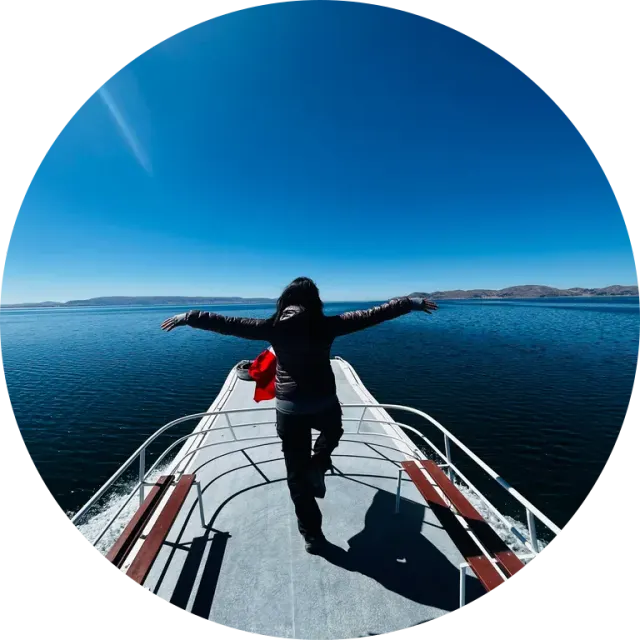

Enjoy the Andes, their breathtaking landscapes, and rich traditions while giving your body time to adjust to the altitude.
When we finally start planning that dream trip to Peru, our imagination runs wild: llamas and alpacas, colourful textiles, majestic mountains, the famous Rainbow Mountain, and, of course, the magnificent Machu Picchu.
And how could we not get excited? Especially if it's our first visit!
We can already picture ourselves taking that unforgettable photo overlooking Machu Picchu or sharing a playful selfie with a rather charming alpaca. But there's one thing that rarely makes it into our travel dreams: altitude sickness, locally known as soroche.
After all, who wants to think about headaches, fatigue, or nausea while planning the trip of a lifetime?
The good news is that there's no need to let these concerns dampen your excitement. With thoughtful planning and a few simple precautions, you can reduce the risk of altitude sickness and enjoy your Andean adventure with greater peace of mind.
At Nayra Travel, after many years of accompanying thousands of travellers through the Andes, including older guests, we've learned that the smallest details can make a remarkable difference.
That's why we'd love to share six tips drawn from our firsthand experience and established travel health recommendations.
1. Plan Your Journey with a Gradual Ascent
Imagine you've just arrived in Peru after a long international flight. Your body is probably adjusting to a different time zone, unfamiliar foods, and an entirely new environment.
Now imagine that, just a few hours later, you land in Cusco, at 3,400 metres (11,150 feet) above sea level. That's quite a change!
As altitude increases, atmospheric pressure decreases, meaning less oxygen is available with each breath. Your body needs time to adapt.
Whenever possible, we recommend planning your itinerary with a gradual ascent. You might begin in Lima, continue to a destination at a moderate altitude, such as Arequipa, and then explore the higher regions of the Andes.
If you're flying directly to Cusco, spending your first nights in the Sacred Valley, which sits at a lower altitude, can be a wonderful alternative.
Our tip: Avoid strenuous physical activities during your first 24–48 hours at altitude. Remember, travelling is also about slowing down, breathing deeply, and enjoying the journey.
2. Stay Hydrated, Even When You're Not Thirsty
It might sound like the kind of advice you'd hear from any wellness coach, but trust us, it's worth repeating!
In the Andes, the air tends to be drier, and our bodies lose more moisture through breathing. Dehydration can cause headaches, fatigue, and weakness, symptoms that can easily be mistaken for altitude sickness.
Always carry a bottle of water and drink regularly throughout the day. If you've been particularly active or sweating heavily, an electrolyte drink may also be helpful.
There's no need to drink excessive amounts of water, though. The key is maintaining a healthy balance.
Our tip: Stay comfortably hydrated and avoid alcohol during your first days of acclimatisation.
3. Muña: A Traditional Andean Companion
If there's one plant we love introducing to our travellers, it's muña, also known as Andean mint.
Used for generations by Andean communities, this wonderfully aromatic herb is especially appreciated for its traditional digestive benefits and refreshing fragrance.
But our recommendation goes beyond tradition.
After years of accompanying thousands of travellers, including older guests, we've personally observed how a warm cup of muña tea can help them feel more comfortable and cope with some of the discomforts experienced during their first days at altitude.
You'll find muña fresh or in convenient tea bags, often offered in hotels and restaurants throughout Cusco, Puno, and the Sacred Valley.
And what about the famous coca leaves?
Although coca has been part of Andean traditions for centuries, there is limited scientific evidence that it prevents altitude sickness. It also contains naturally occurring stimulant compounds, so we recommend that travellers with certain cardiovascular conditions or taking particular medications seek medical advice before using it.
Our tip: Enjoy a comforting cup of muña tea, particularly after meals or during a quiet moment of rest. Our experience has taught us to appreciate this tradition, although its effectiveness in treating altitude sickness has not been scientifically established. Remember that it doesn't replace proper acclimatisation or medical care.
4. Altitude Sickness Medication? Speak to Your Doctor First
One question we frequently hear is: Should I take altitude sickness medication before arriving in Cusco?
Certain medications, such as acetazolamide, can help the body acclimatise and reduce the risk of altitude sickness, particularly when a rapid ascent cannot be avoided.
However, like any medication, they can have side effects, including tingling in the hands and feet, increased urination, or changes in taste.
It's also worth remembering that not all products marketed as altitude sickness remedies contain the same ingredients or offer the same level of effectiveness.
Our tip: Before taking any medication, consult your doctor, especially if you have an existing medical condition. Preparing for your journey also means looking after your health.
5. Discover the Natural Aromas of the Andes
Visit a traditional market in Cusco or Puno, and you'll discover a wonderful variety of aromatic herbs, including eucalyptus and fresh muña.
Their distinctive fragrances are part of local traditions, and many people enjoy gently breathing in their aromas, particularly when feeling a little congested.
While these plants may provide a pleasant sensation of freshness and comfort, it's important to remember that their aromas don't increase oxygen levels or prevent altitude sickness.
Our tip: Discover these herbs as part of the Andes' rich natural and cultural heritage. If you have asthma, allergies, or sensitivity to strong fragrances, avoid concentrated inhalations.
6. Listen to Your Body: Every Traveller Is Different
Perhaps this is our most important piece of advice.
Some travellers arrive in Cusco and barely notice the altitude. Others, even those in excellent physical condition, may experience headaches, tiredness, nausea, or difficulty sleeping.
Being physically fit doesn't necessarily mean you're prepared for high altitude.
Mild symptoms often improve with rest and acclimatisation, but they should never be ignored.
If you begin to feel unwell, avoid ascending any further and let your guide know. If symptoms persist or worsen, seek medical attention.
Difficulty breathing at rest, confusion, or loss of coordination are warning signs that require urgent medical assistance and, when appropriate, descent to a lower altitude.
Our tip: Never feel you have to complete every activity on your itinerary at any cost. Your well-being will always matter more than any excursion or photograph.
Travelling Through the Andes Is Also About Embracing a Different Pace
There's something special about the Peruvian Andes that gently invites us to slow down.
Surrounded by majestic mountains, villages steeped in history, and unforgettable landscapes, we discover that some of the most meaningful travel experiences happen when we stop rushing.
At Nayra Travel, we believe that travelling well isn't about visiting more places. It's about truly enjoying each experience while respecting your own pace and needs.
That's why, when designing our journeys, we pay particular attention to the order of destinations, changes in altitude, and opportunities for rest.
Because we want you to return home remembering the grandeur of the Andes, the warmth of its people, and all those little moments that made your time in Peru so special.
And, of course, that unforgettable photograph overlooking Machu Picchu you've been dreaming of!
Planning your first adventure in the Peruvian Andes?
We'd love to help you create a journey that brings together discovery, comfort, and a pace thoughtfully designed around you.
Travel at your own pace. Discover Peru with Nayra Travel.
Health note: This article offers general advice based on our experience accompanying travellers and established travel health guidance. It is not a substitute for professional medical advice. Altitude sickness can commonly occur at elevations above 2,500 metres (8,200 feet) above sea level.